Bowral Class Times
Dance Beat will be offering lessons at Sensoria hair salon, and it's essential to note that it is for private individual or group lessons for up to 10 people. This limitation aims to foster a more personalized and interactive learning atmosphere, ensuring that each participant receives ample individual attention and support. Dance Beat offers a cozy and inviting setting for our dance sessions, enriching the overall experience. To enhance our time together, complimentary tea and coffee will be provided, allowing everyone to unwind and engage before and after class.
Bowral Studio 11/40 Station St Bowral
Social Dancing in the Highlands
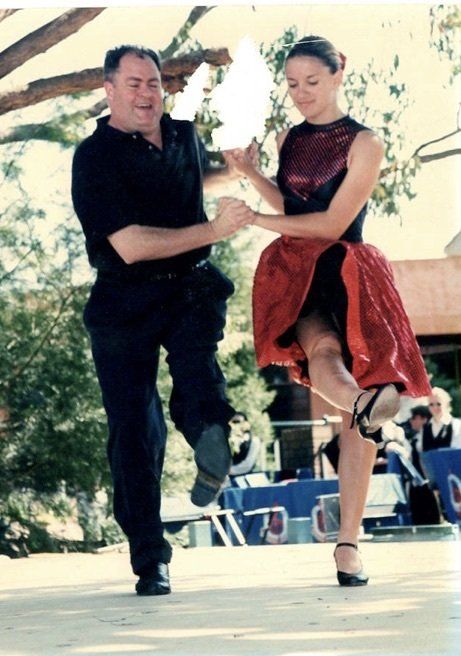
Social partner dancing is an informal style of dancing focused on enjoyment, socialization, and community rather than performance or competition. It relies entirely on improvisation using a non-verbal lead and follow dynamic, allowing dancers to share a dance without prior rehearsal.
Core Concepts
- The Lead: The leader is responsible for navigating the dance floor, setting the rhythm, and proposing upcoming steps or turns. They use gentle physical cues, tension, and body language to communicate with their partner.
- The Follow: Rather than just memorizing a routine, the follower dynamically interprets the leader's signals to execute movements while maintaining their own balance, posture, and rhythm.
- Improvisation: Unlike stage performances that rely on rigid choreography, social dancers construct their routines in real-time, adapting to the specific music playing and their partner's skill level. [1, 2, 3]
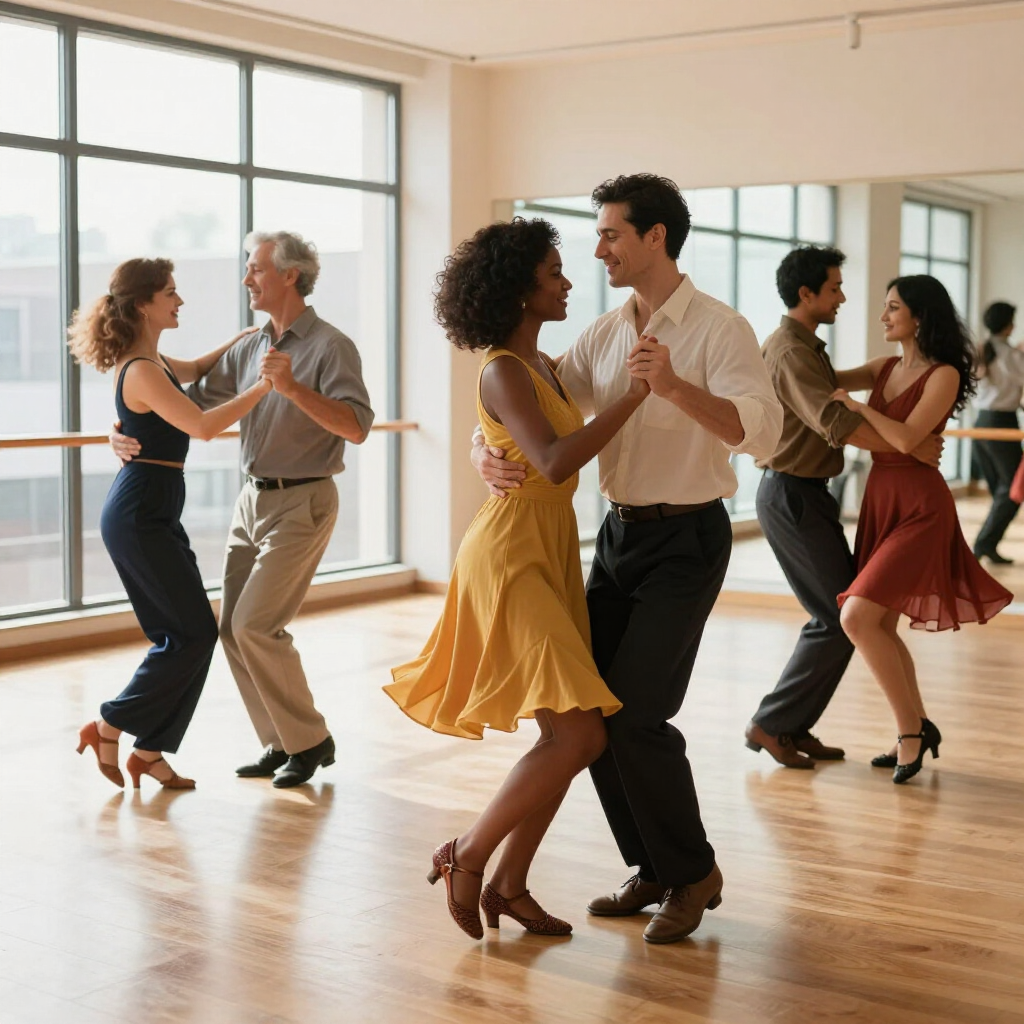
- Partner Rotation: In social dance classes and some events, it is highly common to frequently switch partners. This practice rapidly builds adaptability and creates an inclusive, welcoming community vibe.[1, 3]
Popular Styles
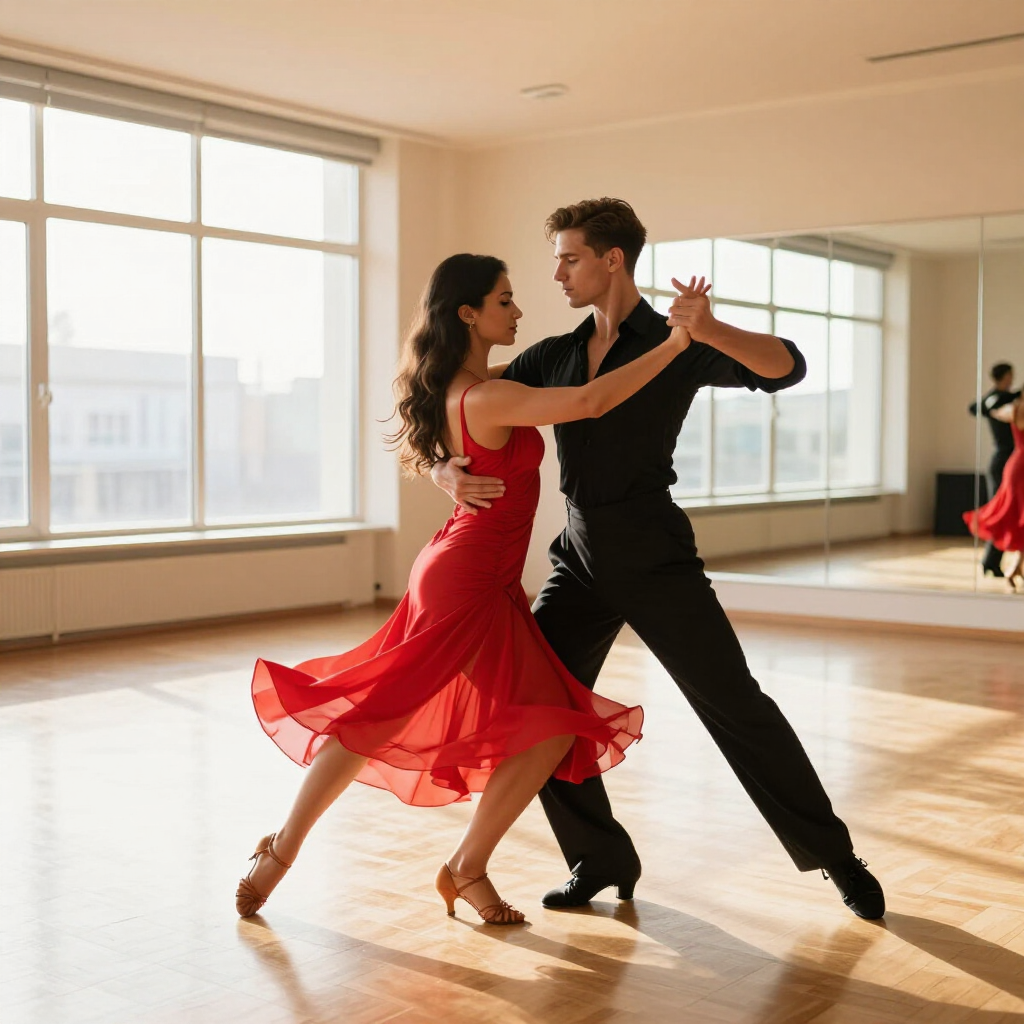
Social partner dancing encompasses a wide variety of cultural and contemporary genres, each with its own rhythm and styling:
- Latin: Includes vibrant, highly rhythmic styles like Salsa, Cha Cha, and Rhumba which feature dynamic hip movements and close connections.
- Swing: Energetic, bouncy dances like the Lindy Hop/ Swing and West Coast Swing and Rock 'n' Roll known for their rotational leads and expressive footwork.
- Ballroom: While often competitive, social ballroom includes accessible, traditional dances like the Waltz, and Slow rhythm, usually danced in a structured physical frame.
Etiquette & Culture
Because social dancing happens in shared spaces like clubs, studios, and festivals, a distinct set of etiquette generally applies:
- Asking to Dance: It is perfectly acceptable for anyone to ask anyone else to dance. It is also acceptable to politely decline a dance if you are tired or uncomfortable.
- Floorcraft: Dancers are expected to be aware of other couples on the floor, matching the size of their movements to the available space to prevent collisions.
- Hygiene: Because of the close proximity required for partner dancing, maintaining personal hygiene (wearing breathable clothing, bringing a towel, and sometimes a change of shirt) is highly encouraged.[
PRICE LIST
Class 1hr $20
8 week Class Pass $140
Private ½ hr $55
Private 1hr
up to 2 couples $100
3 -5 couples $ 20pp
2hr Workshops $35
2nd Class In Another Style
per class per week. $10
CASH OR DIRECT DEPOSIT ONLY
All Prices are Inclusive of GST